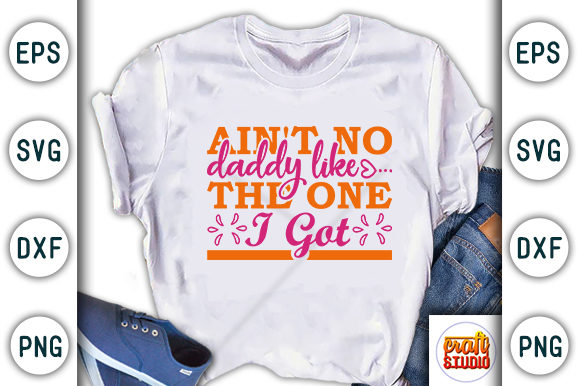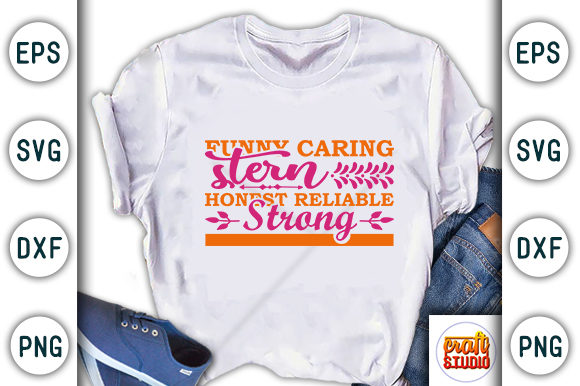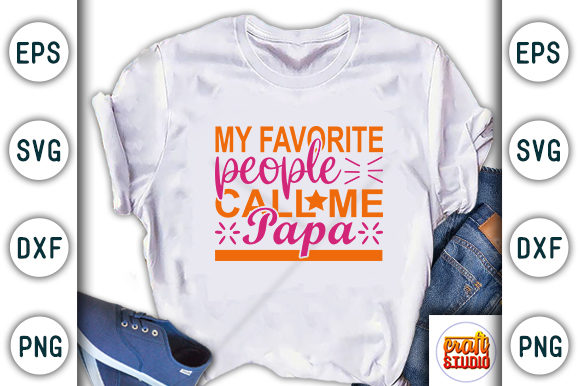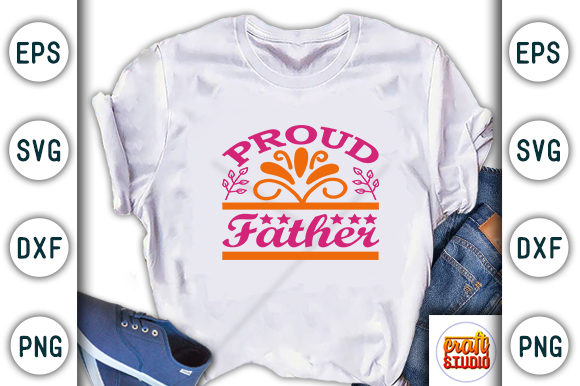
Father’s Day SVG Design, Best Daddy
First Impression: Warm, Clean, and Ready for Real Fabric
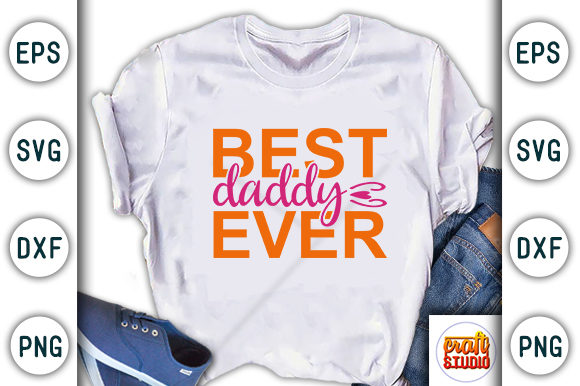
Opening Father’s Day SVG Design, Best Daddy feels like flipping through a well-curated design library — no clutter, no over-engineered flourishes. It’s a centered, balanced layout with bold, friendly lettering and subtle decorative accents (think soft hearts or minimalist stars — not fussy, not dated). The “Best Daddy Ever” phrase dominates, but it breathes: generous spacing, consistent stroke weight, and intentional negative space. As a designer who’s stitched hundreds of text-based embroidery files, I immediately notice how this avoids common pitfalls — no cramped kerning, no fragile serifs, no overlapping elements that’ll vanish in satin stitch. It reads clearly at 3–4 inches wide, which makes it ideal for sweatshirt fronts, tote bag centers, or pillow covers where legibility matters more than ornamentation.
A Real-World Test: Embroidering a Linen Kitchen Towel
Last week, I used Father’s Day SVG Design, Best Daddy on a natural linen tea towel for a client’s small-batch Father’s Day gift line. Why linen? Because it’s unforgiving — shows skipped stitches, puckering, and thread tension issues instantly. I hooped medium-weight cutaway stabilizer, chose matte cotton thread in navy and warm gray, and ran the design at 3.8 inches wide. The result? Crisp edges, even fill stitches, and zero distortion around curves. The letterforms held their shape without needing excessive underlay — a quiet win for time-conscious crafters and Etsy sellers juggling multiple orders. Customers responded strongly to how “handmade but polished” it looked — not cartoonish, not corporate, just warmly human. That balance is rare in ready-made T-Shirt Designs and speaks directly to buyers seeking sincerity over slogans.
Where It Shines (and Where to Pause)
Father’s Day SVG Design, Best Daddy performs best on stable, medium-to-heavy fabrics: cotton twill aprons, fleece-lined hoodies, canvas tote bags, and structured baby blankets. Its clean geometry translates beautifully into satin-stitched outlines and smooth fill areas — especially when paired with a simple applique base (like a soft felt heart behind the text). For commercial embroidery, it scales reliably from 3.2" to 5.5" without losing clarity. It also works well as an embroidered patch — the file’s clean vector paths convert cleanly to embroidery digitizing software if you’re adjusting stitch types manually.
But be thoughtful with placement and substrate:
- Small hoop sizes (under 4"): Trim any optional decorative flourishes before stitching — the core phrase stands strong on its own.
- Stretchy fabric (like jersey tees): Use tear-away + cutaway hybrid stabilizer and reduce stitch density slightly — avoid pushing too much fill into narrow letter counters.
- Dark or textured fabric: Test thread colors on scrap first. Lighter grays or oatmeals read better than stark white on charcoal; avoid pale yellows on black — they’ll disappear post-wash.
- Caps and curved surfaces: Skip tight crowns. This design prefers flat or gently contoured areas — think front panels of dad caps or side pockets on utility aprons.
- Frequent-wash items (baby onesies, kitchen towels): Confirm your thread is high-quality polyester or long-staple cotton — the design’s simplicity means every stitch must hold up.
Design Integrity Meets Customer Trust
What makes Father’s Day SVG Design, Best Daddy more than just another digital embroidery file? It carries visual weight without visual noise. When customers see it on a finished product — say, a hand-stitched linen pillow cover gifted to a new grandfather — it feels intentional, not templated. That perception lifts perceived value. No one mistakes it for a rushed Canva export. As a small shop owner or Etsy seller, that authenticity builds trust faster than any listing description. It also plays well across branding: pair it with neutral packaging, earth-toned mockups, or minimalist photography — it doesn’t compete, it complements.
And because it’s delivered in EPS, SVG, PNG, and DXF formats, you’re covered whether you’re prepping for embroidery machines, laser cutting patches, screen printing companion graphics, or building printable mockups. Just remember: SVG and DXF are for digitizing or vector editing; PNGs are for preview only — never stitch from raster files unless re-digitized.
Practical Designer Notes Before You Stitch
Before committing to your first finished product, do these five things:
- Test on scrap fabric — same type, same stabilizer, same thread as your final project.
- Check thread color contrast in both natural and artificial light — what pops on screen may mute on fabric.
- Review stitch density in your embroidery software — dense fills can overwhelm lightweight fabrics; loosen if needed.
- Confirm hoop size compatibility — this design fits comfortably in a 5x7 hoop, but verify your machine’s max dimensions.
- Inspect small details — especially inner corners of letters like “D” or “B”. If they look pinched in your software preview, add a touch of underlay or adjust pull compensation.
Also ask yourself: Is this for personalized gift use only, or will you sell finished items commercially? Since licensing isn’t stated in the product description, always confirm usage rights before listing on Etsy or bundling into a craft business kit. When in doubt, reach out to the creator — reputable designers respond quickly.
Final Thought: Simplicity With Substance
Father’s Day SVG Design, Best Daddy won’t wow with complexity — and that’s its strength. In a market flooded with over-designed, hard-to-stitch graphics, it offers reliability, warmth, and quiet confidence. It belongs on products people keep: embroidered baby onesies passed down, aprons worn for years, sweatshirts tossed in the wash without hesitation. As a designer who evaluates hundreds of embroidery file assets yearly, I keep this one in my go-to folder — not because it’s flashy, but because it works, consistently, without fuss. That’s the mark of good Graphics for real life.