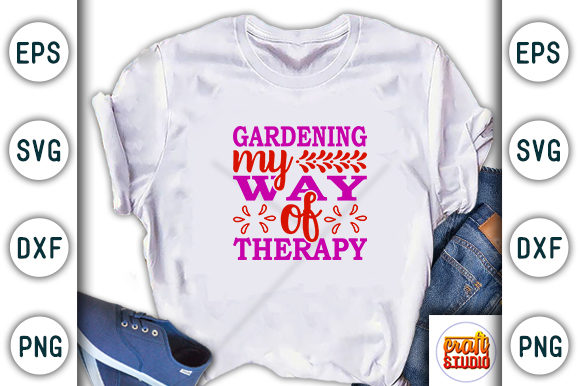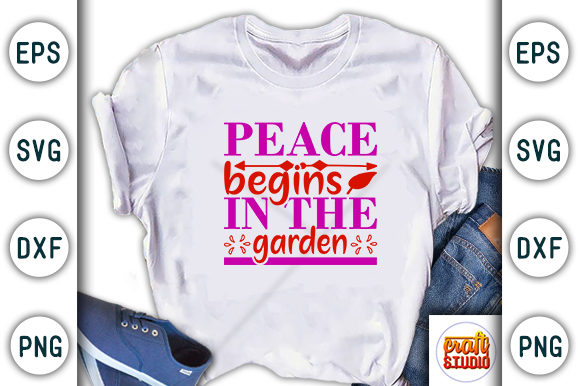
Garden SVG Design: Peace Begins in the Garden Graphics
As a graphic designer who’s built brand identities for botanical apothecaries, slow-living boutiques, and seasonal print-on-demand collections, I opened Garden SVG Design, Peace Begins in the expecting quiet intention—not decorative clutter. What I found was a cohesive, emotionally resonant graphic design asset that breathes calm into visual storytelling. It’s not just another floral clipart pack; it’s a mood-setter with commercial versatility.
A First Impression That Feels Like Intentional Branding
The central composition features layered botanical elements—soft-curving vines, open peonies, delicate fern fronds, and a subtle “Peace begins in the garden” typographic ribbon wrapped like a vine. The linework is confident but gentle; no sharp angles, no aggressive contrast. It leans into organic modern design—think Apartment Therapy meets a mindful Etsy shop—not maximalist boho or sterile minimalism. For a client launching a line of herbal teas or handmade ceramic planters, this SVG design instantly anchors the visual language in serenity, authenticity, and tactile warmth.
Where This Graphic Design Asset Earns Its Place in Real Projects
Garden SVG Design, Peace Begins in the excels where emotional resonance matters more than literal utility. In packaging design for a small-batch lavender soap line, it works beautifully as a foil-stamped motif on kraft labels or as a watermark behind product photography. As part of a brand identity system, it functions powerfully as a supporting element—never the logo itself, but the quiet signature that appears on thank-you cards, Instagram story highlights, or reusable tote bags.
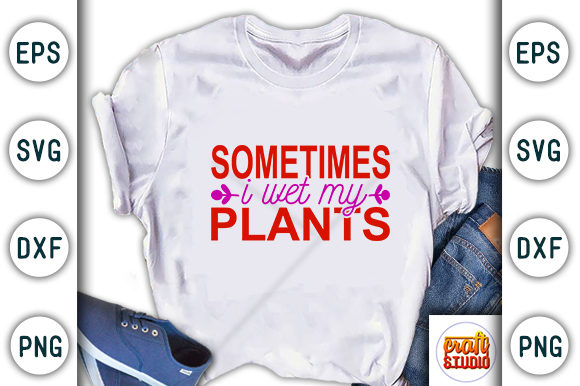
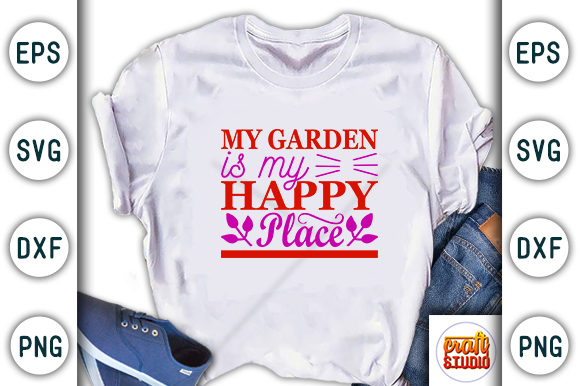
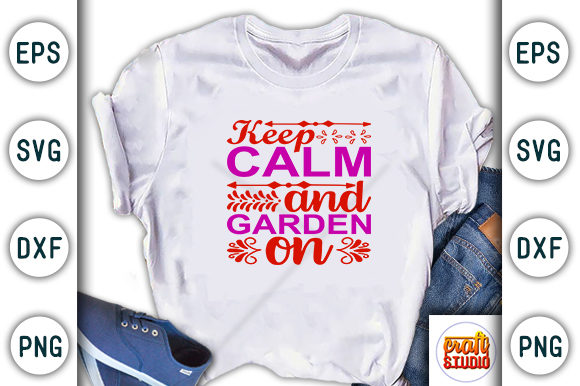
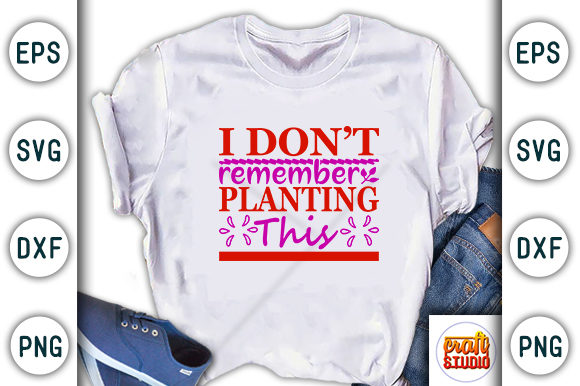
For t-shirt design, it shines on relaxed-fit organic cotton tees—especially when placed off-center or scaled large across the back. Its generous negative space and balanced weight allow screen printers to hold detail without ink bleed. In social media graphics, it adds editorial polish to Pinterest pins promoting mindfulness content or Instagram carousels about sustainable gardening. As a Cricut project, the included DXF and SVG files cut cleanly on vinyl or iron-on, making it ideal for boutique merch or local farmers’ market signage.
It also strengthens printable design offerings: think downloadable wall art bundles for creative marketplaces, Canva templates for wellness coaches, or sublimation designs for eco-friendly apparel brands. Because the EPS and SVG files are fully vector-based, resizing for mug wraps or large-format posters introduces zero pixelation—critical when delivering final assets to clients.
Smart Use Cases vs. Situations That Demand Caution
This graphic design asset performs best in spacious, breathing layouts: hero sections on websites, full-bleed product mockups, invitation borders, or as a unifying motif across a themed collection (e.g., spring launch kits, Earth Day campaigns). Its soft edges and moderate density make it ideal for light backgrounds—but also surprisingly effective over muted pastel gradients or textured linen overlays.
Use it carefully in cramped contexts: small app icons, dense business card layouts, or alongside heavy sans-serif typography where visual hierarchy could collapse. It’s not built for corporate annual reports or tech SaaS branding—it lacks the neutrality and scalability those projects require. Similarly, avoid pairing it with ultra-thin fonts or rigid geometric logos unless you’re intentionally creating tension (e.g., a conceptual art zine).
Design Judgment Notes You Can’t Skip
- Test contrast rigorously: Preview the PNG files on both light and dark backgrounds—some floral elements fade if transparency isn’t optimized.
- Check SVG editability: Open the SVG in Illustrator or Figma—verify paths are clean, grouped logically, and free of stray anchor points that complicate recoloring.
- Assess readability at scale: Shrink the design to 1.5” width—does the phrase “Peace begins in the garden” remain legible? If not, treat it as a decorative illustration, not a typographic centerpiece.
- Validate commercial license terms: Confirm the seller grants unlimited use for client work—including print-on-demand, digital products, and physical merchandise—before integrating into an Etsy product or Shopify store.
- Compare font pairings: Try overlaying serif (e.g., Playfair Display), sans serif (e.g., Montserrat), and script fonts (e.g., Pacifico) to see which reinforces—not competes with—the design’s tone.
- Print test first: Run a sample on your preferred garment printer or sticker vendor—some subtle gradients in the EPS may shift in CMYK or spot-color workflows.
Why It Fits the Handmade Business & Small Business Branding Landscape
In today’s saturated creative marketplace, authenticity is currency—and Garden SVG Design, Peace Begins in the delivers it without cliché. It avoids overused mandalas or generic leaf clusters. Instead, it offers curated rhythm, intentional spacing, and a quiet confidence that aligns with values-driven audiences. For a blogger launching a digital course on mindful gardening, this asset becomes part of a cohesive visual ecosystem—appearing consistently across Canva templates, email headers, and printable checklists.
It also bridges analog and digital beautifully: the DXF file supports laser-cut wood signs for a local nursery; the high-res PNGs drop cleanly into blog posts or editorial design layouts; the SVG scales flawlessly for web banners or responsive email footers. That cross-platform reliability is rare in budget-friendly design bundles—and essential when managing multiple client deliverables under tight deadlines.
Final Verdict: A Thoughtful Addition to Your Design Assets Toolkit
This isn’t a “throw-it-on-everything” graphic. It’s a considered choice—one that elevates rather than distracts. When used with intention, Garden SVG Design, Peace Begins in the deepens brand consistency, invites emotional connection, and signals care in execution. For designers building visual worlds rooted in calm, craft, and conscious living, it’s less of a decoration and more of a quiet collaborator. Just remember: great design assets don’t replace judgment—they amplify it.