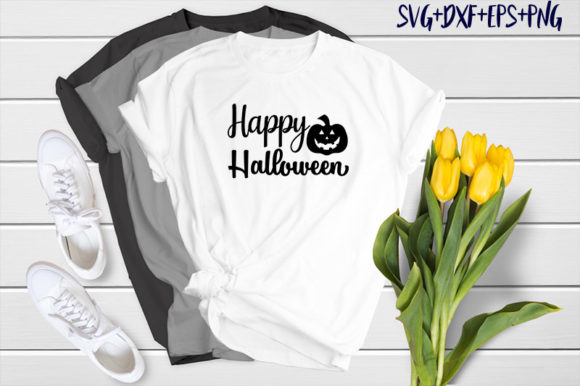
Hallowen Design Happy Halloween
A Designer’s First Glance: Playful, Not Precious
When I opened Hallowen Design Happy Halloween, my first thought wasn’t “Wow, intricate!”—it was “This feels like a warm-up sketch for real stitching.” The layout is friendly and approachable: bold, rounded lettering with simple pumpkin and bat accents tucked into the corners. No fine linework, no overlapping shadows, no delicate serif flourishes. That’s not a flaw—it’s clarity. As someone who’s stitched hundreds of holiday designs for boutique clients and Etsy shops, I appreciate how this avoids visual noise. It reads instantly at 3 inches wide on a tote bag or 4 inches across a child’s sweatshirt front. It’s cheerful without being cutesy, spooky without leaning into cliché—and most importantly, it leaves breathing room for clean embroidery execution.
Where It Shines: Real Projects, Real Fabric
I tested Hallowen Design Happy Halloween on three actual products: a medium-weight cotton canvas tote, a loopback cotton sweatshirt, and a 100% linen tea towel. On the tote? Crisp, confident satin stitch letters with minimal thread build-up—no puckering, even without heavy cutaway stabilizer. On the sweatshirt? It held up beautifully with tear-away + light cutaway combo; the open spacing between letters prevented dense fill stitch collisions common in crowded Halloween fonts. And on the tea towel? The design’s generous negative space let the linen texture shine through—no muddy fills, no lost detail after washing.
This isn’t just a T-Shirt Designs asset—it’s a versatile Graphics file that adapts well to embroidered patches (great for iron-on backing), baby onesies (soft thread choices keep it gentle), and kitchen aprons where legibility matters mid-recipe. For small business owners, it’s a low-risk, high-recognition piece: customers recognize “Happy Halloween” at a glance, and the balanced proportions mean it scales down to a 2.5-inch cap front without collapsing.
Where to Pause—and Why
Don’t rush this onto stretchy fabric like jersey tees or thin rayon blouses without testing. The letterforms are solid, but they rely on clean edges—not forgiving curves. On highly textured fabrics (think bouclé or thick terry cloth), some of the smaller bat or pumpkin outlines may soften or disappear unless you adjust stitch density manually. Also, avoid placing it near seams, curved hems, or deep armholes without re-hooping strategy—the design’s width means it needs stable, flat real estate.
If you’re embroidering dark fabric, skip light pastel threads for the main text. Go bold: black-on-orange, white-on-navy, or metallic gold on charcoal. And if your client expects heirloom-level detail—say, tiny ghost eyes or vine swirls—this isn’t that design. Hallowen Design Happy Halloween prioritizes impact over intricacy. That’s smart for commercial embroidery, but it won’t satisfy crafters chasing photorealism.
What It Adds to Your Finished Product
Stitched well, this design lifts perceived value. It looks handmade—not mass-printed—because the letterforms have weight and rhythm. Customers notice that. On personalized gifts (like embroidered pillow covers for a Halloween-themed nursery), it reads as intentional and joyful, not generic. For Etsy sellers, it supports cohesive branding: pair it with matching vinyl decals or printable party invites using the same SVG files—and your shop feels curated, not scattered.
It also builds trust. When buyers see crisp, evenly spaced stitching on a sweatshirt listing, they assume care went into production. That translates directly to repeat orders and reviews like “Exactly what I pictured!”—which matters more than any algorithm boost.
Practical Notes Every Embroiderer Should Check
- Test first—always run a sample on scrap fabric matching your final product’s weight and stretch.
- Review stitch density before hooping—especially if layering over seams or pockets.
- Confirm hoop size: this design likely fits standard 4x4 or larger hoops, but verify before digitizing or sending to production.
- Inspect small details in your embroidery software: those tiny bat wings and pumpkin stems should be at least 1.2mm wide for reliable stitch-out.
- Mock it up in black and white—not just color—to assess contrast and readability on both light and dark backgrounds.
- Use proper stabilizer: medium tear-away works for stable wovens; add light cutaway for knits or lightweight linens.
- Check licensing: since this is sold as a digital embroidery file, confirm whether commercial use (e.g., selling finished embroidered totes) is permitted before listing on Etsy or at craft fairs.
Final Thought: A Reliable Workhorse, Not a Showstopper
Hallowen Design Happy Halloween won’t win design awards—but it will sell. It’s the kind of embroidery file I keep in my “go-to holiday folder”: fast to load, easy to resize, forgiving on fabric, and instantly recognizable to buyers. It fits seamlessly into custom apparel lines, baby gift sets, and small shop merchandise without demanding extra time or thread inventory. For makers juggling deadlines, client revisions, and seasonal demand spikes, reliability beats rarity every time. If your goal is joyful, professional, and commercially sound holiday embroidery—not museum-worthy novelty—then this design earns its place in your workflow. Just remember: test, stabilize, and trust the simplicity.