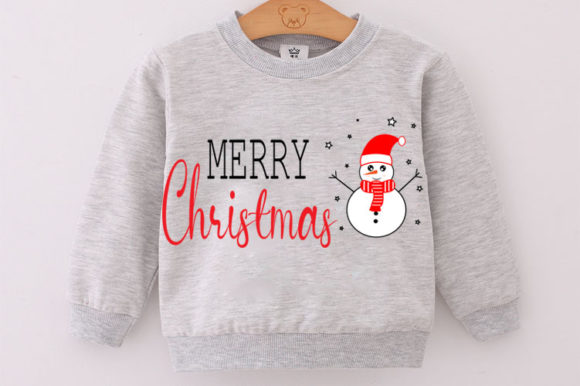
Merry Christmas SVG Graphics for T-Shirt Designs
As a digital product creator who’s launched over 200 seasonal design bundles across Etsy, Creative Market, and Shopify—many of them Christmas-themed—I opened Merry Christmas SVG, Merry Christmas Cricut with clear expectations: clean cut lines, versatile styling, and commercial-ready flexibility. What stood out first wasn’t just the festive energy, but how immediately usable it felt—not as a decorative afterthought, but as a functional graphic design asset built for real selling scenarios.
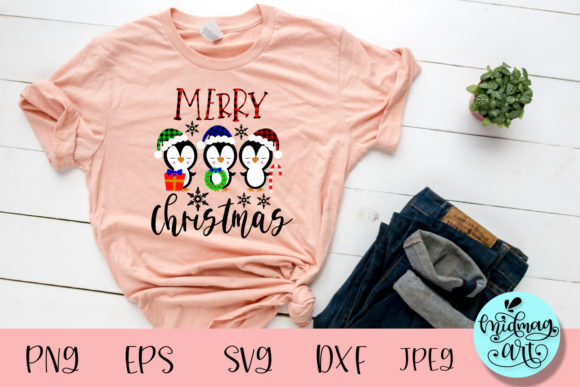
The mood is warm, inclusive, and quietly confident—not overly cutesy or aggressively vintage. It leans modern-festive: balanced letter spacing, subtle texture in the “Merry” flourish, and a crisp “Christmas” that holds up at both 3-inch and 18-inch sizes. That makes it ideal for buyers who want holiday charm without sacrificing polish—think small business owners launching limited-run t-shirts, Canva template sellers building editable greeting card kits, or print-on-demand creators curating cozy winter collections. It doesn’t scream “handmade craft fair”; instead, it reads as intentional, brand-aware, and commercially scalable.
In practice, Merry Christmas SVG, Merry Christmas Cricut works across multiple high-demand use cases. As an SVG design, it cuts cleanly on Cricut Explore and Maker machines—ideal for wall decals, iron-on transfers, and layered vinyl projects. The PNG version includes transparent background and crisp 300 DPI resolution, making it perfect for mug designs, tote bag prints, and tumbler wraps where sublimation or direct-to-garment printing is used. As clipart, it slots neatly into planner sticker sheets or scrapbooking kits—especially when paired with coordinating snowflakes or holly elements. And because the EPS file is included, designers can scale it infinitely for large-format posters or nursery prints without quality loss.
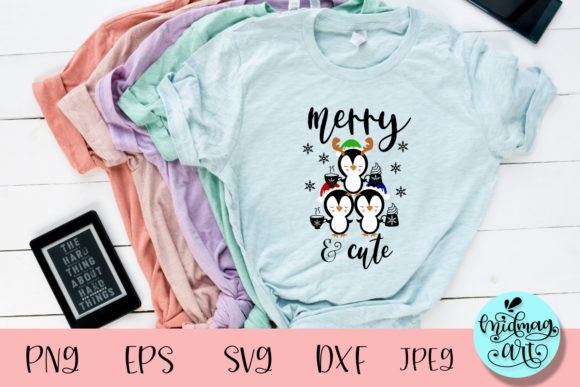
Where this asset truly shines is in product presentation. I tested it across mockup types: a soft cotton crewneck tee, a matte ceramic mug, and a framed printable wall art preview. In every case, the visual hierarchy held—the phrase read clearly at thumbnail size (critical for Etsy search), and the weight of the lettering created instant recognition against neutral backgrounds. For digital download listings, pairing it with minimalist Canva templates boosted perceived value; customers saw not just a file, but a ready-to-sell concept. It also strengthened brand consistency across a seasonal bundle—when grouped with coordinating “Happy Holidays” and “Joy to the World” variants, it helped tell a cohesive story rather than feel like a random add-on.
This digital product performs best in contexts where clarity, scalability, and emotional resonance matter most: large product previews (like Shopify hero banners), themed bundles (e.g., “Cozy Christmas Digital Kit”), decorative layouts (social media carousels or blog headers), and printable products (greeting cards, gift tags, and invitation suites). It also supports strong click-through potential on marketplaces—its balanced composition draws the eye faster than cluttered or overly ornate alternatives.
That said, there are smart limits to keep in mind. Avoid using it for tiny sticker details under 0.5 inches—it lacks ultra-fine interior linework, so small-scale applications risk losing definition. Don’t force it into text-heavy templates where legibility competes with dense layout elements. And while it handles light-to-medium contrast well, test it carefully on dark backgrounds: the default black outline works on white or cream, but may need a subtle stroke adjustment for navy or charcoal substrates. If you’re preparing Cricut projects for beginners, verify the SVG has no overlapping paths or embedded raster layers—clean vector structure is non-negotiable for reliable cutting.
Before publishing any listing, here’s what I recommend testing: First, drop the PNG into a free mockup generator and check transparency—no stray pixels or haloing. Second, preview the SVG in Cricut Design Space at 4x zoom to confirm smooth curves and consistent line weight. Third, open the EPS in Illustrator and inspect anchor points—look for unnecessary complexity that could slow rendering or cause export glitches. Fourth, load it into Canva and layer it over serif, sans serif, script, and display fonts to see which pairings elevate—not compete with—the design. Finally, confirm the commercial license permits finished product resale (most reputable sellers do, but always double-check the terms).
For Etsy sellers building a holiday shop, this printable design fits naturally into curated bundles—pair it with coordinating patterns, gift box labels, and social media graphics to increase average order value. Print-on-demand partners like Printful or Gelato handle the file smoothly, especially when exported as flattened PNGs with bleed margins. And for content creators launching December blog series or email campaigns, it serves as a flexible anchor graphic—reusable across newsletters, Pinterest pins, and Instagram Stories without looking repetitive.
One underrated strength? Its adaptability across niches. A handmade business owner can use it for rustic kraft paper cards, while a boutique apparel brand might re-color it in sage and terracotta for a modern earth-toned collection. A blogger creating holiday planning printables can embed it in PDF checklists without licensing concerns—as long as the original commercial license is verified. That cross-category utility is rare in seasonal assets, where many designs lock you into one aesthetic or platform.
Bottom line: Merry Christmas SVG, Merry Christmas Cricut isn’t just another holiday clipart pack. It’s a thoughtfully structured commercial design that supports real workflows—from Cricut project prep to Canva template creation to print-on-demand scaling. When paired with smart file organization (clearly labeled SVG/EPS/PNG files), thoughtful typography pairings, and consistent color treatment, it elevates your entire creative marketplace presence. It won’t replace custom illustration for premium branding—but as a reliable, licensable, production-ready element? It earns its place in any serious seller’s toolkit.