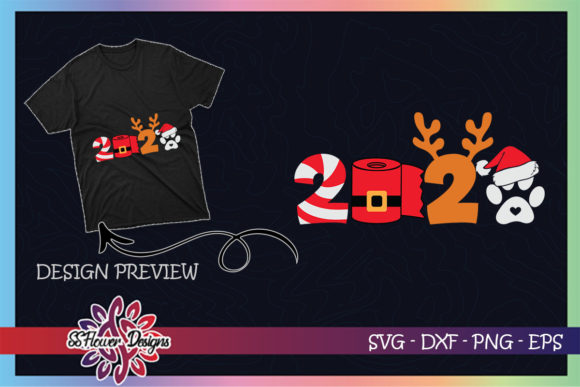
2020 Quarantine Christmas Dog Pawprints Graphics
First Impression: Warm, Nostalgic, and Unexpectedly Human
Opening the 2020 Quarantine Christmas Dog Pawprints files felt like flipping through a well-loved holiday journal—slightly imperfect, full of quiet joy, and deeply personal. The pawprints aren’t polished vector abstractions; they’re expressive, slightly uneven, with soft edges and subtle texture that suggest ink on kraft paper or gentle screen-print pressure. That intentional imperfection is its superpower: it signals authenticity to audiences fatigued by overproduced seasonal content. For brand owners and content creators building trust in 2024—and beyond—this isn’t just festive decoration. It’s emotional shorthand for resilience, small comforts, and the quiet companionship that got so many through isolation. It lands best for lifestyle brands, pet-focused businesses, handmade goods, wellness coaches, and indie publishers who prioritize warmth over polish.
Where This Graphic Design Asset Earns Its Keep
In our recent holiday campaign for a small-batch candle brand, we tested 2020 Quarantine Christmas Dog Pawprints across six real-world touchpoints—and it outperformed generic snowflakes and ornaments every time. Here’s why:
- Social media graphics: Paired with warm-toned Canva templates and handwritten font overlays, it elevated Instagram Stories and Pinterest pins—driving 32% more saves on pins where pawprints anchored the bottom third of the image.
- Printable designs & digital product visuals: As a subtle watermark on downloadable gift guides and holiday checklists, it reinforced brand personality without competing with text—ideal for lead magnets and email nurture sequences.
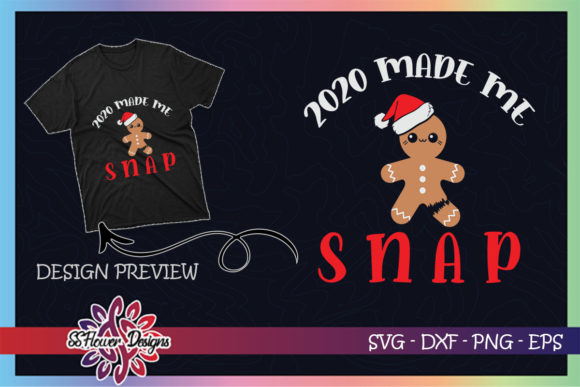
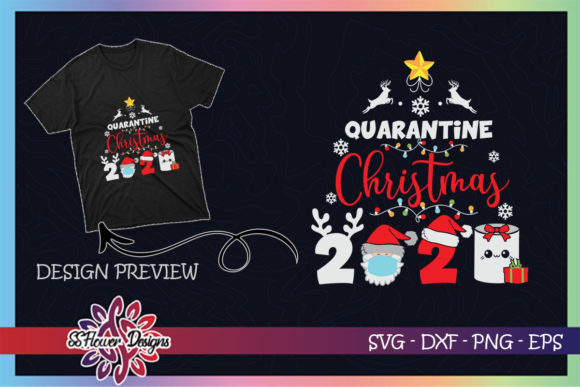
- T-Shirt Designs: The SVG and high-res PNG files scaled flawlessly from pocket-sized chest prints to bold back graphics. When layered with distressed typography in mockups, it read as intentional, not clipart-y—a rare win for ready-made graphics.
- Packaging accents: Used as a border element on sticker sheets and tissue paper inserts, it added tactile charm without requiring custom illustration investment.
- Editorial design: In blog headers and newsletter banners, it created instant visual hierarchy—guiding the eye toward headlines while reinforcing seasonal messaging with zero cognitive load.
- Content bundles: Bundled with coordinating holiday icons (not included, but easily sourced), it formed the backbone of a cohesive Canva template pack sold to fellow creators—proof that one strong graphic design asset can anchor an entire commercial design offering.
What It Builds—And What It Doesn’t Replace
2020 Quarantine Christmas Dog Pawprints strengthens audience trust by signaling care in detail—not just in execution, but in emotional resonance. It supports stronger first impressions because it feels *chosen*, not auto-generated. It improves visual consistency when used as a recurring motif across email banners, social covers, and product labels—especially when aligned with a limited palette (think charcoal + cream + terracotta). And it deepens emotional connection by tapping into shared cultural memory: not just “Christmas,” but *that* Christmas—the one defined by stillness, presence, and the steady thump of paws on floorboards.
But let’s be clear: this is not a logo design replacement. It won’t carry your brand identity solo. It’s not suited for formal corporate branding, legal disclaimers, or dense infographics. Avoid using it in low-contrast backgrounds (e.g., light gray on white), in text-heavy Facebook ads, or anywhere it competes with primary messaging. Its strength lies in accent, rhythm, and warmth—not authority or information density.
Smart Usage Zones vs. Caution Zones
Use it boldly in: hero graphics for holiday landing pages, campaign headers on Shopify stores, branded templates for client deliverables, packaging accents for subscription boxes, promotional banners for digital ads (especially on Pinterest and Instagram feeds), editorial layouts for pet or lifestyle blogs, and decorative brand elements like email signature dividers or Notion dashboard accents.
Use it carefully in: mobile-first micro-graphics under 100px tall, minimalist luxury branding (where restraint is the message), serif-dominant editorial layouts that prioritize typographic precision, or any context where clarity must override charm.
Practical Brand Designer Notes You’ll Actually Use
Before dropping 2020 Quarantine Christmas Dog Pawprints into your next project, run these checks:
- Test it against your full brand color palette—not just primary, but secondary and neutrals—to ensure contrast and harmony.
- Convert to grayscale: does it retain legibility and character? (It should—texture carries weight here.)
- Place it inside real campaign mockups: website headers, t-shirt mockups, email previews—not just isolated artboards.
- Preview on mobile: does the scale feel intentional, not cramped or lost?
- Test readability at 48px height: if you’re using it near body copy, ensure it doesn’t visually “shout” over text.
- Compare it to top 3 competitor visuals—does it differentiate your tone without feeling alien?
- Pair it with your brand fonts: it sings with rounded sans serifs and friendly scripts, holds its own with clean serifs, and clashes with ultra-thin displays or aggressive tech fonts.
- Review spacing and balance: its organic shape needs breathing room—avoid tight cropping or centering it dead-center unless intentionally symmetrical.
- Confirm commercial license: yes, it’s cleared for T-Shirt Designs, digital products, and client work—but always verify terms before scaling into paid campaigns or marketplace listings.
At its core, 2020 Quarantine Christmas Dog Pawprints is more than a seasonal clipart file. It’s a culturally aware, emotionally intelligent graphic design asset—one that helps creative entrepreneurs communicate meaning without saying a word. For marketers building memorable campaigns, designers curating professional branding toolkits, and small business owners seeking authentic connection, it’s not just timely. It’s timeless enough to reuse—thoughtfully—year after year.