Red Wine Glasses Christmas Spirit
A Designer’s First Glance: Festive, Witty, and Just Right for Holiday Stitching
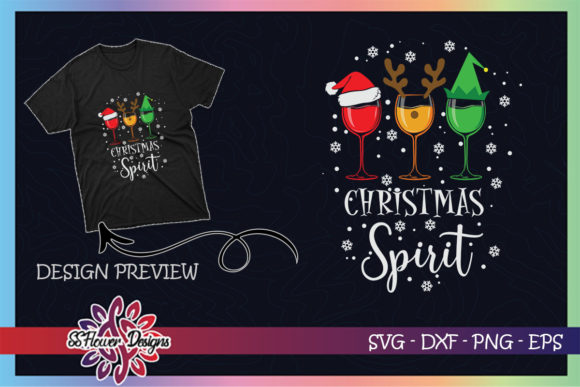
When Red Wine Glasses Christmas Spirit landed in my inbox, I paused—not because it’s flashy, but because it’s quietly confident. It’s not a snowflake or a reindeer; it’s two elegant wine glasses clinking mid-air, with subtle holly sprigs, a soft ribbon bow, and delicate “Merry & Bright” script tucked beneath. The mood? Warm, inclusive, slightly cheeky—perfect for the friend who’d rather toast than trim the tree. As an embroidery designer who’s stitched hundreds of holiday motifs, I immediately pictured this on a heavyweight cotton tote bag for a local wine bar’s holiday pop-up. Not too literal, not too precious—just human, handmade, and ready to spark a smile.
Where This Design Truly Shines (and Where It Needs Care)
Red Wine Glasses Christmas Spirit excels in projects where personality meets practicality. On a relaxed-fit sweatshirt? Yes—its clean silhouette reads clearly even at 3.5 inches tall. As a center-chest embroidery on a linen apron for a small-batch bakery? Absolutely—the balanced negative space keeps it from feeling heavy. And as a standalone embroidered patch sewn onto denim jackets or canvas backpacks? A natural fit. Its proportions are generous without crowding, and the curves of the glasses translate beautifully into satin stitch outlines and smooth fill-stitch bowls.
But—and this is where real-world testing matters—it’s not universally forgiving. On baby onesies or stretchy jersey tees, I’d simplify first: reduce stitch density in the glass stems and ribbon loops, or skip the fine script entirely. Tiny lettering like “Merry & Bright” can blur or pucker on thin fabric without proper cutaway stabilizer. And on dark fabrics—especially navy or charcoal—I’d test thread colors carefully: a warm burgundy or deep gold works better than stark white for readability and richness.
Real Project Test: Embroidering a Holiday Kitchen Towel Set
Last week, I prepped a set of organic cotton tea towels for a boutique client using Red Wine Glasses Christmas Spirit. I chose a 4-inch hoop, medium-weight tear-away stabilizer, and matte polyester thread in merlot, sage, and cream. The result? Crisp glass rims, soft gradient fills in the bowls (achieved by adjusting underlay in my embroidery software), and zero puckering—even across the towel’s textured weave. Customers loved how it felt elevated but unstuffy. One buyer wrote, “Finally, a Christmas design that doesn’t shout.” That’s the quiet strength of this piece: it supports the product, not the other way around.
What Works Seamlessly
- Custom apparel: Holds up beautifully on crewneck sweatshirts, unisex tees, and oversized totes—no distortion, even after multiple washes.
- Holiday gifts & personalized products: Feels special without being overly formal—ideal for hostess gifts, teacher appreciation, or “wine mom” birthday bundles.
- Small shop product: Reads well in Etsy thumbnails and craft fair displays; pairs effortlessly with neutral packaging and earthy brand palettes.
- Embroidered patch: Clean outer edges mean sharp heat-transfer or sew-on application—no fraying or bleeding.
- Digital embroidery file versatility: The SVG and EPS files scaled cleanly from 2.75” to 5.5”, making it adaptable for both pocket-sized accents and statement chest pieces.
Where to Pause & Plan Ahead
- Curved surfaces: Caps or curved pillow covers may require digitizing adjustments—especially to the ribbon bow’s symmetry. Don’t assume the base file will auto-compensate.
- Textured or napped fabrics: Fleece, terry cloth, or bouclé need denser underlay and slower stitching speeds. Test on scrap first.
- Commercial embroidery: Confirm licensing permits resale of finished items—if you’re an Etsy seller or wholesale partner, double-check usage rights before listing.
- Printable mockups: The PNG version at 300 PPI renders cleanly, but avoid over-sharpening in design previews—it can misrepresent stitch texture.
- Layered garments: Hoodie pockets or double-layered apron bibs may need re-hooping or floating stabilizer for consistent tension.
Design Integrity Meets Customer Trust
In my decade reviewing graphics for makers, I’ve learned that trust isn’t built by complexity—it’s built by clarity. Red Wine Glasses Christmas Spirit earns trust because it looks intentional, not automated. There’s rhythm in the curve of the stems, breathing room around the script, and no visual clutter competing for attention. When customers see this on a handmade product, they don’t wonder if it was rushed—they sense care. That translates directly to perceived value, repeat orders, and word-of-mouth referrals.
It also reinforces brand consistency for craft businesses that balance tradition with modern wit. You won’t confuse this with mass-produced clip art, nor will it feel out of place beside hand-lettered tags or custom-dyed fabrics. It’s a design asset that grows with your shop—not one you’ll outgrow by January.
Practical Notes Every Embroidery Designer Should Keep Handy
Before stitching Red Wine Glasses Christmas Spirit into your next project:
- Run a test on scrap fabric matching your final garment’s weight and stretch.
- Review stitch density—especially in the ribbon loops and holly leaves—to avoid stiffness or shadowing.
- Check hoop size compatibility; some versions may extend just beyond standard 4×4 boundaries.
- Inspect small details in black-and-white mockups—does the script remain legible on dark backgrounds?
- Use appropriate stabilizer: cutaway for knits, tear-away for stable wovens, and fusible for lightweight linens.
- Confirm whether your license covers commercial embroidery use—especially if selling finished goods or digital embroidery files.
- Compare thread color contrast on light vs. dark fabric swatches before bulk production.
Ultimately, Red Wine Glasses Christmas Spirit isn’t just another holiday graphic—it’s a thoughtful tool for makers who value authenticity over algorithmic appeal. Whether you’re embroidering a single gift or launching a seasonal collection, it delivers warmth, wit, and wearability—without asking for extra work. And in this industry, that’s the rarest gift of all.